
Not sure whether to choose Fake Grass vs Real for your yard? Uncover the essential facts and factors in our comprehensive comparison.
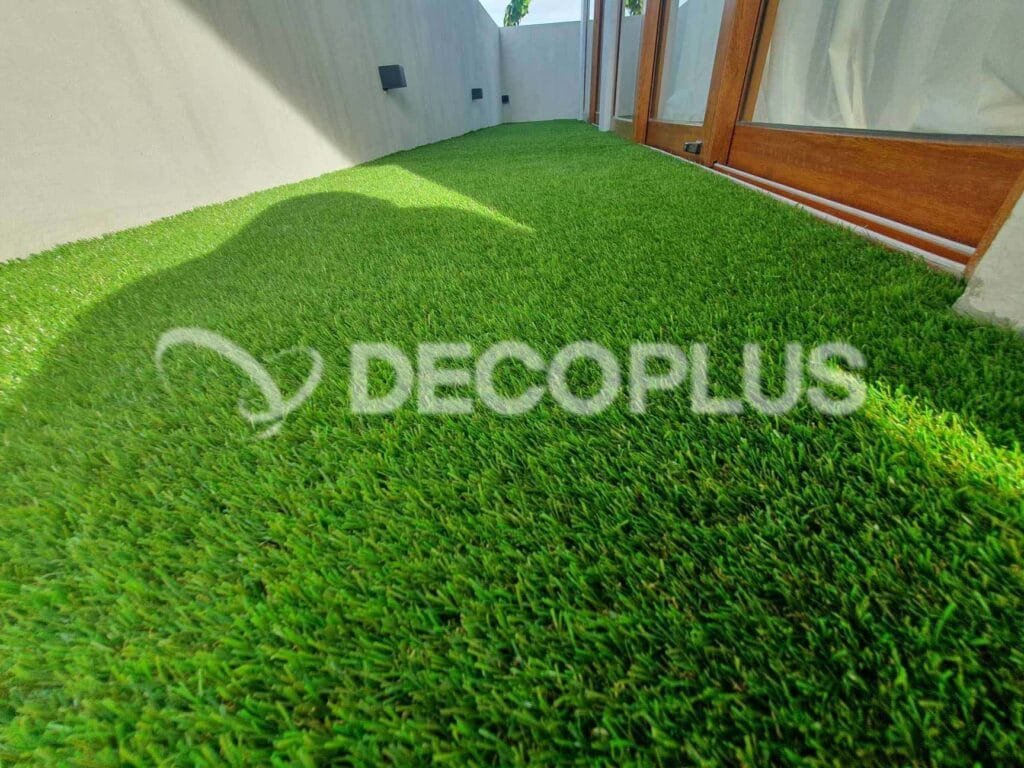
Fake Grass vs Real: Which is the Better Choice for Your Lawn?
In today’s landscaping trends, the debate between Fake Grass vs Real continues to spark interest among homeowners and also property developers alike. Both options offer unique benefits and considerations depending on your specific needs and also preferences. Let’s delve into the details to help you make an informed decision for your lawn.
Benefits of Fake Grass
1. Low Maintenance
Fake grass requires minimal upkeep compared to real grass. Once installed, it eliminates the need for mowing, watering, and fertilizing, saving you both time and also money on maintenance.
2. Durability
Artificial turf is designed to withstand heavy foot traffic and various weather conditions without fading or losing its shape. It is particularly beneficial for areas with high use or climates that are harsh on natural grass.
3. Consistent Appearance
Unlike real grass, which can vary in color and also texture depending on factors like weather and soil quality, fake grass maintains a consistent green appearance throughout the year.
4. Eco-Friendly Options
Modern artificial turfs are often made from recycled materials and also can be recycled themselves at the end of their lifespan, making them a sustainable choice for environmentally conscious consumers.
Benefits of Fake Grass vs Real
1. Natural Feel and Look
Real grass provides a lush, natural aesthetic that many homeowners prefer. Its varied shades of green and also soft texture create a welcoming outdoor environment.
2. Environmental Benefits
Natural grass helps improve air quality by trapping dust particles and absorbing carbon dioxide. It also contributes to soil health by preventing erosion and also promoting microbial activity.
3. Cooling Effect
Grass helps to cool the surrounding environment through a process called evapotranspiration, where water evaporates from the grass blades, reducing the overall temperature of your outdoor space.
4. Safe for Children and Pets
Real grass is non-toxic and safe for children and pets to play on. It provides a comfortable and also soft surface that minimizes the risk of injuries during outdoor activities.
Considerations for Choosing Between Fake Grass and Real Grass
Maintenance Requirements
- Fake Grass: Occasional rinsing and brushing to maintain appearance.
- Real Grass: Regular mowing, watering, and fertilizing depending on climate and also soil conditions.
Cost
- Fake Grass: Higher initial investment but lower long-term maintenance costs.
- Real Grass: Lower upfront costs but ongoing expenses for maintenance.
Longevity
- Fake Grass: Typically lasts 15-20 years with proper care.
- Real Grass: Lifespan varies based on climate, soil quality, and also maintenance practices.
Environmental Impact
- Fake Grass: Requires resources for manufacturing but saves water and reduces chemical use.
- Real Grass: Naturally contributes to environmental health but requires significant water and also maintenance inputs.
Conclusion
Ultimately, the choice between fake grass and real grass depends on your specific needs, preferences, and environmental considerations. Fake grass offers convenience and also durability, while real grass provides a natural look and environmental benefits. Consider the long-term implications and also maintenance requirements before making your decision.
You can contact us via our Facebook page
Discover a world of exciting products at our online shop!
Social Media: